On this page
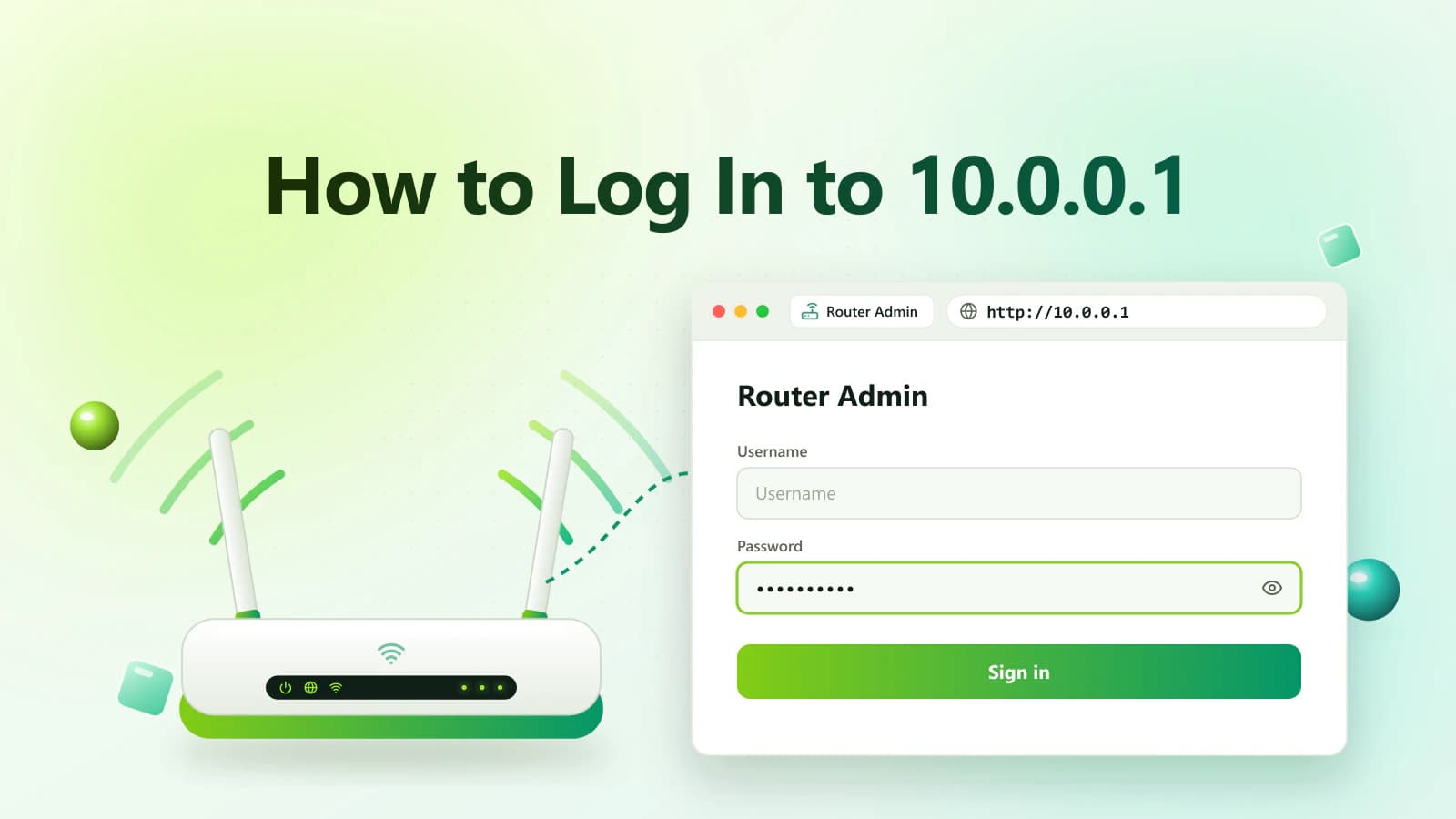
The 10.0.0.1 admin login page helps authorized users access and manage a compatible router. If 10.0.0.1 is your router’s Default Gateway, you can open this private address in a browser and sign in with the administrator details.
The router dashboard may allow you to change the Wi-Fi name, create a new wireless password, view connected devices and improve network security.
This beginner-friendly guide explains how to verify the router IP, open the admin panel on different devices and fix common login problems.
Quick Steps for the 10.0.0.1 Admin Login
Follow these steps:
- Connect your phone or computer to the router.
- Open Chrome, Safari, Edge or another trusted browser.
- Select the browser address bar.
- Enter http://10.0.0.1.
- Press Enter or Go.
- Wait for the router login screen.
- Enter the authorized username and password.
- Select Login, Sign In or Submit.
Only access a router that you own or have permission to manage.
What Is 10.0.0.1?
10.0.0.1 is a valid private IPv4 address. Some routers, modems and network gateways use it as their local management address.
A private IP works inside a local network. It is different from the public IP assigned to your internet connection.
If your router uses 10.0.0.1, the address may open a web-based admin panel. This panel is stored on the router, so it may be available even when the internet is not working.
However, your device must still be connected to the router through Wi-Fi or Ethernet.
What Is a Router Admin Panel?
The router admin panel is a private dashboard containing your network settings.
Depending on the router model, the admin panel may provide options to:
- Change the Wi-Fi name
- Change the Wi-Fi password
- View connected devices
- Create a guest network
- Set parental controls
- Change the admin password
- Review security settings
- Restart the router
- Update router firmware
- Manage local IP addresses
Not every router provides the same options. Menu names can also vary between manufacturers and internet providers.
Is 10.0.0.1 Your Router’s Default Gateway?
Do not assume that every router uses 10.0.0.1.
Other common router addresses include:
- 192.168.0.1
- 192.168.1.1
- 192.168.1.254
- 10.0.1.1
The current router address appears as Default Gateway, Gateway or Router in your device’s network settings.
If your device shows another value, use that address instead.
Correct 10.0.0.1 Login Address
Enter the following address directly into your browser:
http://10.0.0.1Some routers may use:
https://10.0.0.1The router may automatically redirect your browser to the supported option.
Avoid Incorrect IP Formats
These entries are incorrect or different addresses:
- 10.0.0.0.1
- 1.0.0.0.1
- 10.00.1
- 10.0.01
- 10.0 0.1
- 10..0.0.1
- 10.0.0.l
- http //10.0.0.1
The final character is the number 1, not a lowercase L.
What Do You Need Before Logging In?
Prepare the following:
- A phone, tablet or computer
- Connection to the router’s main network
- A trusted browser
- The correct Default Gateway
- Administrator username and password
- Permission to manage the router
The Wi-Fi password may only connect you to the network. You could need a separate router admin password to open the settings.
How to Find the Default Gateway on Windows
- Connect the computer to the router.
- Press Windows + R.
- Type cmd.
- Select OK.
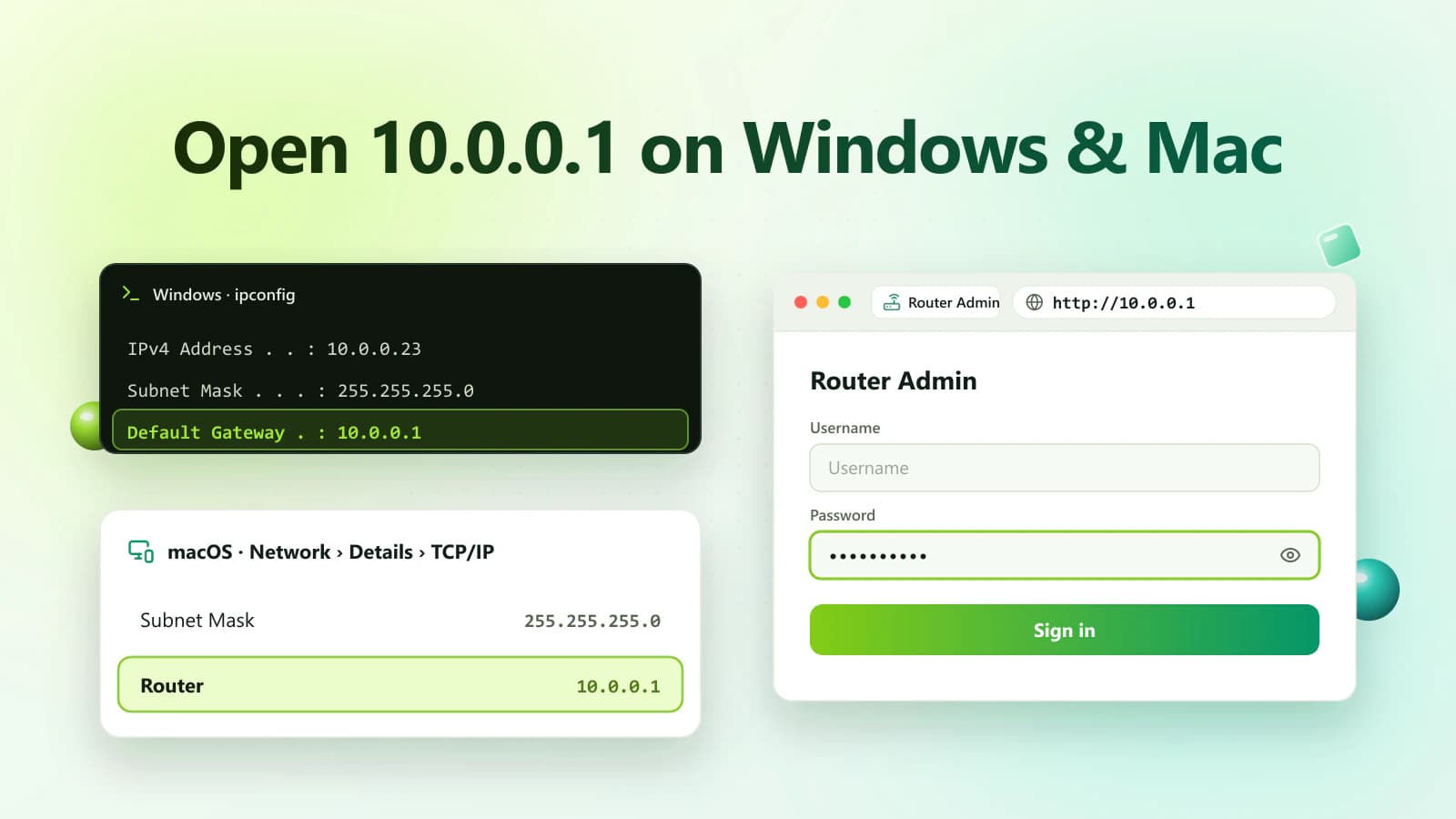
- Enter: ipconfig
- Press Enter.
- Find the active Wi-Fi or Ethernet adapter.
- Check Default Gateway.
Example:
Default Gateway . . . . . : 10.0.0.1If another address appears, use that gateway instead.
How to Find the Router IP on macOS
- Open the Apple menu.
- Select System Settings.
- Choose Network or Wi-Fi.
- Open the connected network’s details.
- Select TCP/IP, if required.
- Find Router.
The Router value is the address you should enter in your browser.
How to Find the Gateway on Android
Menu names vary between Android devices.
- Open Settings.
- Select Network & internet, Connections or Wi-Fi.
- Tap your connected network.
- Open Network details, View more or Advanced.
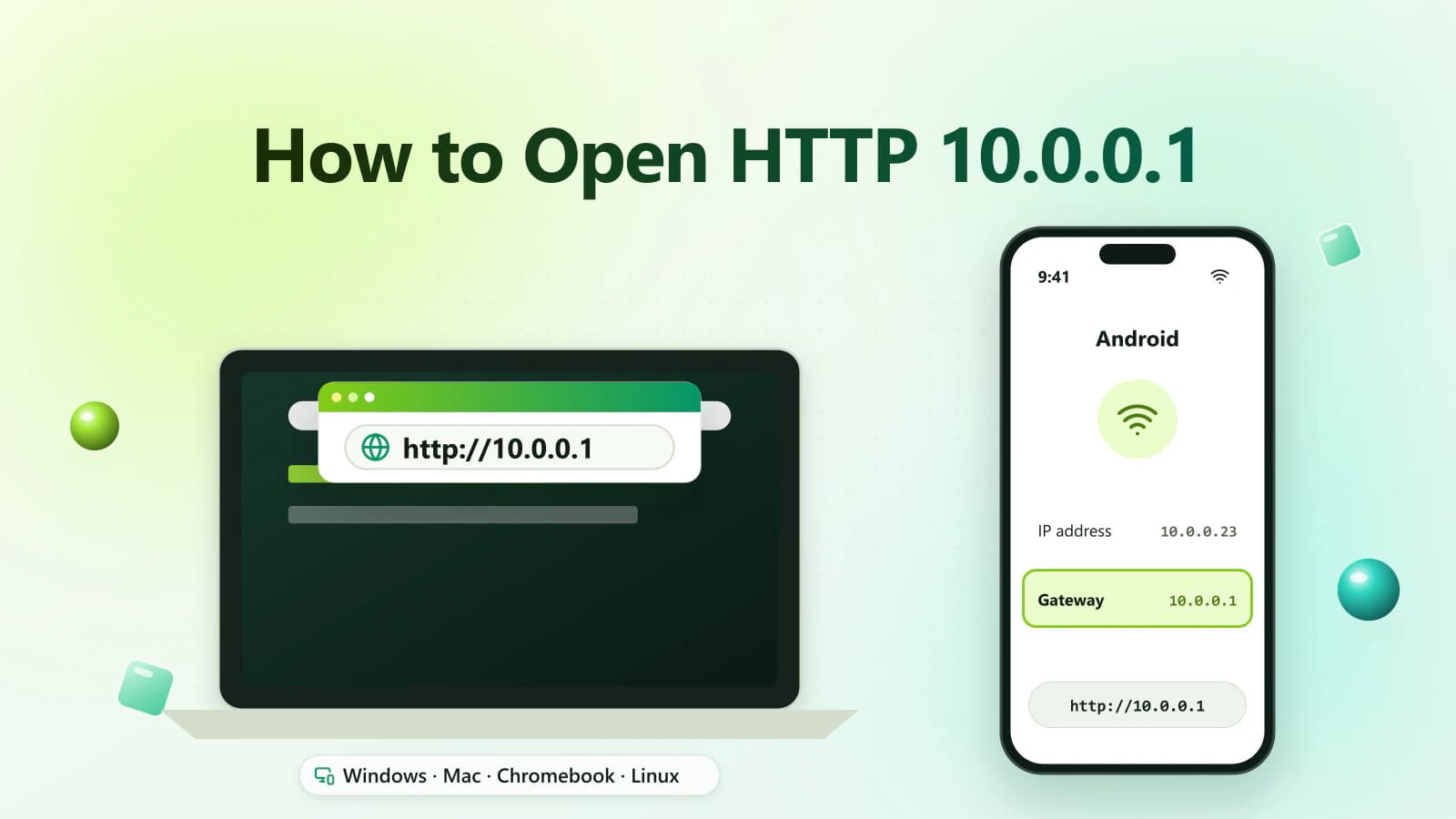
- Find Gateway or Router.
Do not use the phone’s own IP address. You need the value labelled Gateway or Router.
How to Find the Router Address on iPhone or iPad
- Open Settings.
- Tap Wi-Fi.
- Tap the information icon beside the connected network.
- Scroll to the IPv4 section.
- Find Router.
If it displays 10.0.0.1, you can try opening the admin page.
How to Open the 10.0.0.1 Admin Panel on Android
- Connect the Android phone to the router’s main Wi-Fi.
- Temporarily turn off mobile data.
- Open Chrome or another trusted browser.
- Enter http://10.0.0.1 in the address bar.
- Tap Go.
- Enter the administrator credentials.
- Tap Login.
If the page does not open, verify the Gateway address through the Wi-Fi details.
How to Open 10.0.0.1 on iPhone or iPad
- Connect to the router’s Wi-Fi network.
- Open Safari.
- Select the address bar.
- Enter http://10.0.0.1.
- Tap Go.
- Enter the router username and password.
- Tap Login or Sign In.
Turn off cellular data temporarily if the iPhone keeps switching away from the Wi-Fi connection.
How to Open 10.0.0.1 on Windows
- Connect the computer through Wi-Fi or Ethernet.
- Open Edge, Chrome or Firefox.
- Enter http://10.0.0.1 in the address bar.
- Press Enter.
- Wait for the login page.
- Enter the admin username and password.
An Ethernet cable may provide a more stable connection while you change wireless settings.
How to Open 10.0.0.1 on Mac
- Connect the Mac to the router.
- Open Safari, Chrome or another browser.
- Type http://10.0.0.1 in the address bar.
- Press Return.
- Enter the authorized admin details.
- Select Login.
10.0.0.1 Username and Password
There is no universal username and password for all routers using 10.0.0.1.
The correct details depend on:
- Router brand
- Router model
- Internet provider
- Initial setup process
- Previous administrator changes
- Custom provider firmware
Check these locations:
- Router label
- Setup manual
- Original packaging
- ISP installation documents
- Browser’s saved passwords
- Trusted password manager
- Manufacturer’s official support website
Avoid repeatedly testing random usernames and passwords. Too many failed attempts may temporarily lock the administrator account.
Wi-Fi Password vs Router Admin Password
Beginners often confuse these two passwords.
| Password | What it does |
|---|---|
| Wi-Fi password | Connects a device to the wireless network |
| Admin password | Opens and protects the router settings |
The Wi-Fi password may be labelled:
- Wi-Fi Key
- WLAN Key
- Wireless Key
- Network Key
- Pre-Shared Key
The admin password may be labelled:
- Admin Password
- Login Password
- Device Password
- Web Password
- Access Key
Entering the Wi-Fi password on the admin page may result in an incorrect-password message.
What to Do After Your First Login
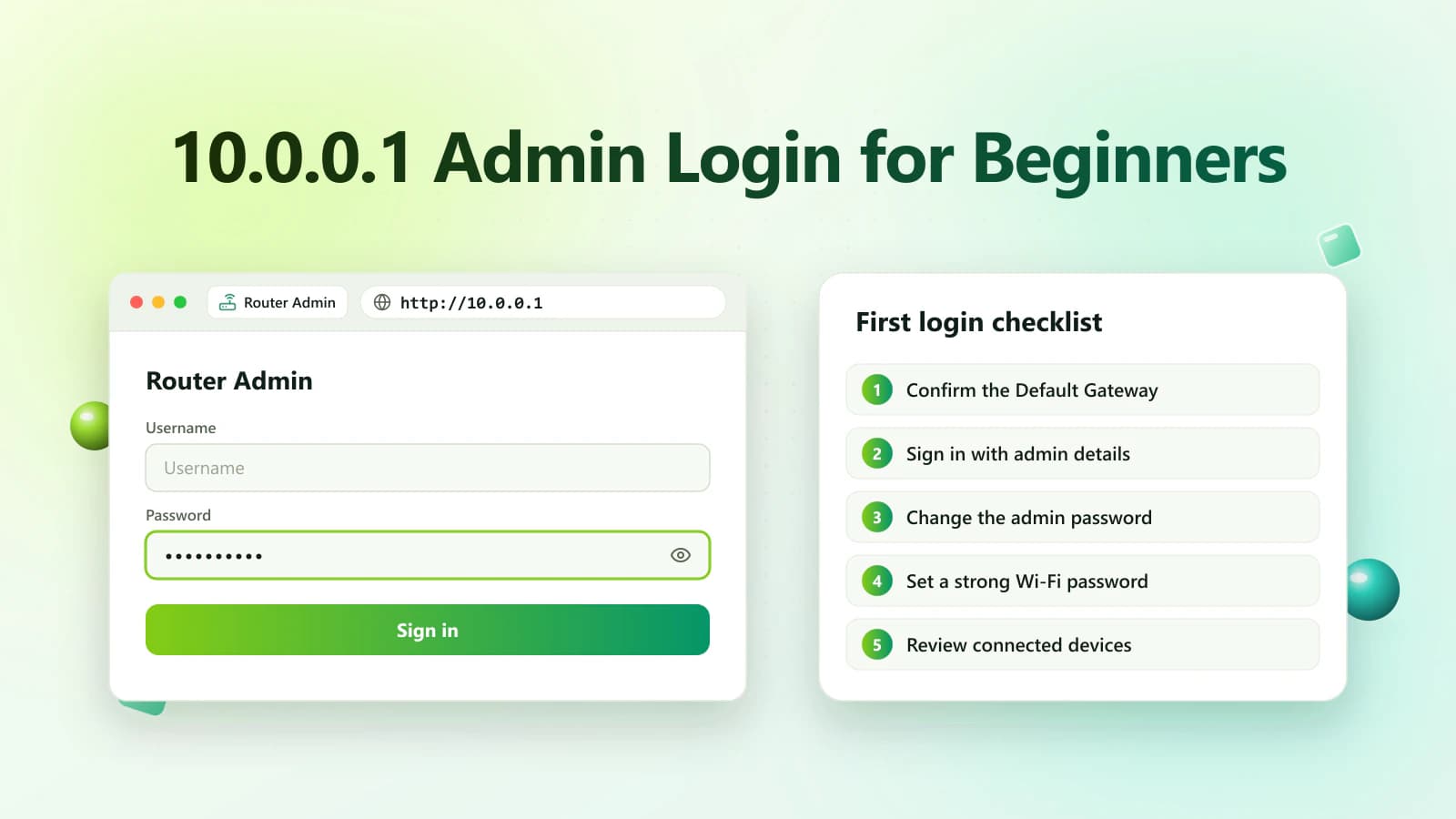
If this is your first authorized login, review the basic security settings.
Change the Admin Password
If the router still uses a known default password:
- Open Administration, System or Account Settings.
- Find Admin Password.
- Enter the current password.
- Create a strong new password.
- Save the changes.
- Store it in a trusted password manager.
Use an admin password that is different from the Wi-Fi password.
Change the Wi-Fi Name
The Wi-Fi name is also called an SSID.
- Open Wireless, Wi-Fi or WLAN Settings.
- Find Network Name or SSID.
- Enter a new name.
- Save the changes.
Avoid using your name, phone number or home address as the network name.
Change the Wi-Fi Password
- Open the wireless settings.
- Select Security or Wireless Security.
- Find Password, Security Key or Pre-Shared Key.
- Enter a strong new password.
- Save or apply the changes.
- Reconnect your devices.
Changing the password normally disconnects all devices using the old credentials.
How to Create a Strong Wi-Fi Password
Your Wi-Fi password should:
- Be at least 12 characters long
- Include uppercase and lowercase letters
- Include numbers
- Include symbols when supported
- Avoid personal information
- Be different from other passwords
- Be stored securely
Avoid simple passwords such as your name, phone number, router model or common number sequences.
How to View Connected Devices
Open a section named:
- Connected Devices
- Device List
- Attached Devices
- Client List
- DHCP Clients
- Network Map
The router may display device names, local IP addresses and connection types.
Review the list carefully. Some phones use randomized addresses, which may cause a familiar device to appear under a different name.
How to Create a Guest Wi-Fi Network
A guest network provides separate access for visitors.
- Open Guest Wi-Fi or Guest Network.
- Enable the guest network.
- Create a separate Wi-Fi name.
- Add a strong password.
- Limit local network access if the option is available.
- Save the settings.
This allows visitors to connect without knowing the main Wi-Fi password.
How to Update Router Firmware
Firmware updates may improve reliability and security.
- Open System, Administration or Firmware Update.
- Check for an official update.
- Read the instructions.
- Keep the router powered on during installation.
- Wait for it to restart completely.
Only use updates provided through the router interface, official application, ISP or manufacturer’s website.
Why Is 10.0.0.1 Not Opening?
The login page may fail for several reasons.
Incorrect Gateway
The router may use another address. Check the Default Gateway rather than guessing.
Wrong Network Connection
Connect to the router’s main Wi-Fi or Ethernet network. Guest Wi-Fi may block local access.
Mobile Data Is Active
Temporarily turn off mobile data and keep the phone connected to Wi-Fi.
Address Entered in a Search Box
Enter http://10.0.0.1 directly into the browser address bar.
VPN or Proxy Interference
Pause the VPN temporarily or allow local network traffic through its settings.
Browser Problem
Try:
- A private or incognito window
- Another browser
- Clearing browser cache
- Another connected device
Router Needs a Restart
Disconnect the router from power for about 30 seconds. Reconnect it and wait for the lights to stabilize.
Do not press the Reset button during a normal restart.
Router Uses an Official App
Some newer routers and mesh systems are managed through an official application. Check the router manual or manufacturer’s support website.
Why Does 10.0.0.1 Open a Search Page?
The browser may perform a search when:
- The address was entered in a search-engine box
- Spaces were added
- The format is incomplete
- A letter replaced a number
- An extra period was used
Type the complete address directly in the main address bar:
http://10.0.0.110.0.0.1 Refused to Connect
A refused connection may mean:
- 10.0.0.1 is not the correct gateway
- The router requires HTTPS
- Local browser management is disabled
- Your device is on a guest network
- A VPN is blocking local access
- The router uses an official app
- The router has not finished starting
Verify the gateway and check the official manual for your router model.
Browser Shows a Privacy Warning
You may see:
- Your connection is not private
- Certificate not trusted
- Potential security risk
- Cannot verify server identity
A local router panel may use a certificate that the browser does not publicly trust.
Before continuing:
- Confirm that 10.0.0.1 is your Default Gateway.
- Make sure you are connected to your own router.
- Check the router’s official login instructions.
- Confirm that the page has not redirected to a public website.
Never enter router credentials on an unrelated website.
Username or Password Does Not Work
Common causes include:
- The admin password was changed
- You entered the Wi-Fi password
- Browser autofill inserted old details
- The credentials are case-sensitive
- The ISP uses custom credentials
- Extra spaces were entered
- The router has a unique label password
- You opened the wrong gateway
Type the details manually and check the router label.
Forgot the Router Admin Password
Before resetting the router:
- Check the router label.
- Review the setup manual.
- Search saved browser passwords.
- Check your password manager.
- Ask the person who configured the network.
- Contact the internet provider.
- Visit the manufacturer’s official support website.
Avoid unofficial programs that promise to reveal or bypass router passwords.
Should You Factory Reset the Router?
Use a factory reset only as the final option. It may remove:
- Current Wi-Fi name
- Wi-Fi password
- Admin password
- ISP connection details
- Guest network
- Parental controls
- Device restrictions
- Port-forwarding rules
- Other custom settings
Contact your ISP before resetting provider-supplied equipment. Follow the official instructions for your exact model.
Beginner Router Security Tips
After gaining authorized access:
- Change known default admin credentials.
- Use a strong Wi-Fi password.
- Keep the admin and Wi-Fi passwords different.
- Use modern wireless security when supported.
- Disable remote administration when unnecessary.
- Create a guest network for visitors.
- Review connected devices.
- Install official firmware updates.
- Avoid unofficial router apps.
- Log out after changing settings.
- Store passwords securely.
Avoid changing advanced settings unless you understand their purpose.
FAQ
Frequently Asked Questions
What is the 10.0.0.1 admin login?
It is a local management page used by some routers and network gateways. It may provide access to Wi-Fi, security and device settings.
How do I log in to 10.0.0.1?
Connect to the router and enter http://10.0.0.1 directly into a trusted browser’s address bar. Use the authorized administrator credentials.
Is 10.0.0.1 used by every router?
No. Routers may use different gateways, including 192.168.0.1 or 192.168.1.1. Check your device’s Default Gateway.
What is the default username and password?
There is no universal combination. Check the router label, manual, ISP documents or manufacturer’s official support website.
Is the Wi-Fi password the same as the admin password?
Not necessarily. The Wi-Fi password connects devices to the network, while the admin password protects the router settings.
Can I log in using a mobile phone?
Yes. Connect the phone to the router’s Wi-Fi, temporarily turn off mobile data and open the gateway in a trusted browser.
Why is the 10.0.0.1 page not opening?
You may be using the wrong gateway or network. Mobile data, a VPN, browser cache or an unresponsive router can also prevent access.
Why does 10.0.0.1 open Google?
The address may have been entered into a search box. Type http://10.0.0.1 directly into the browser address bar.
Can I change my Wi-Fi password after logging in?
Yes. Open the Wireless, Wi-Fi or WLAN security settings, enter a new password and save the changes.
Is the 10.0.0.1 login safe?
It is generally safe when it is your verified local gateway and you are authorized to manage the router. Never submit credentials to an unrelated public website.
Conclusion
The 10.0.0.1 admin login page can help beginners manage a supported router without installing unofficial software.
Connect your phone or computer to the router and confirm that 10.0.0.1 is the Default Gateway. Enter http://10.0.0.1 directly into a trusted browser and sign in with the authorized administrator details.
After logging in, change known default credentials, create a strong Wi-Fi password and review the network security settings. If the page does not open, verify the gateway and connection before attempting a factory reset.